Why Adoption Matters More Than Fidelity in Digital Twins
Key Highlights
- Digital twins only deliver optimal outcomes when workers trust and consistently use them, making end-user buy-in as important as the technology itself.
- Over-investing in visual realism can backfire. Smarter resource allocation toward data freshness and usability drives better returns than building a perfect replica.
- Looping end users into development from the start surfaces hidden decision factors, builds trust through transparency and turns early model gaps into opportunities rather than failures.
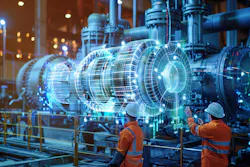
When industrial companies build digital twins, the idea is to achieve optimal outcomes more consistently. An optimal outcome is one that reduces cost, increases output and otherwise has a positive impact on operations.
Digital twins help organizations achieve optimal outputs more consistently by making the many moving parts and considerations of any one decision more accessible. When everyone can access a tool that incorporates everyone else’s institutional knowledge, every worker is better equipped to do their job.
There's a big “if” here, though.
Digital twins and other intelligent products can drive optimal outcomes only if workers use them consistently. Adoption is essential.
So how do you drive adoption in industrial contexts? It starts with building trust.
Workers’ tolerance for wrong answers
Workers don’t need a digital twin model to be perfect, but they do need it to behave consistently and explain itself. When suggestions feel out of step with lived experience and there’s no insight into why, adoption drops.
The solution here is to involve end users from the beginning. Get input from them as you decide what digital twin or intelligent product to build and as you explore how to build it. Explain that developing this tool is a process and that the intent is to iterate based on how early versions perform in real-world trials.
Trust comes from understanding how a model works, what informs its outputs and how it improves when something seems off.
When workers understand the component pieces of a tool and that those pieces can be adjusted based on its performance, they’re much more tolerant of early failures and, as a result, more likely to adopt the product when it’s been refined.
Prioritize return on interaction over pure fidelity
A common mistake when developing digital twins is putting too much emphasis on real-world fidelity, especially visual fidelity. This often manifests as an attempt to mirror the physical system in unnecessary detail.

In many cases, over-indexing on fidelity can be a mistake. Creating precise visual replicas of real-world systems can take a lot of resources; in many cases, organizations can get better outcomes by funneling those resources toward other things, like ensuring data is updated more frequently or allowing for more parameters to influence a decision.
One guideline that can help determine how realistic a digital twin needs to be is this: How much fidelity do end users need to understand what's going on and feel comfortable using it?
A digital twin for scheduling equipment maintenance, for example, may not need to exactly replicate the physical system workers currently use to schedule maintenance manually. But to facilitate onboarding, it probably makes sense to borrow from the same universe of visuals that the manual system relies on.
Easier, faster onboarding means more interactions. And more interactions means more opportunity to optimize outcomes. So finding the right level of fidelity helps increase the return on interaction.
A related design consideration is: How will workers’ situational disability impact their ability to interact with a digital twin and, therefore, the tool’s potential return on interaction? For example, if workers are in gloves, goggles or other PPE, will they be able to see and press buttons? Swipe a screen? If they’re using the digital twin on a noisy factory floor, will they be able to hear auditory cues?
One guideline that can help determine how realistic a digital twin needs to be is this: How much fidelity do end users need to understand what's going on and feel comfortable using it?
Again, the solution is to get user input early and often to create intelligent products that work in their intended contexts for their intended audience.
Make the invisible visible
When we’re building an intelligent product for a client, one of the most exciting stages is when we test an early prototype by sitting with a group of workers making decisions in real time and run the product in parallel to human decisions to see how it performs.
Usually, when you run an early prototype alongside how people actually make decisions, all the invisible considerations start to show up.
For example, consider a team scheduling maintenance procedures. They might be factoring in how quickly different customers approve work orders, or considering the work schedules of technicians who have the right skills. If those realities aren’t in the model yet, the twin will make suggestions that differ from what workers would do. If you frame that moment as a miss, trust can drop fast.
But if workers are part of the process and understand that this stage is about surfacing what the model is missing, it can actually build trust. They see how their expertise shapes the tool, and how the model improves with every iteration.
Workers don’t need a digital twin model to be perfect, but they do need it to behave consistently and explain itself.
For those building the digital twin, it’s a moment where the invisible becomes visible and, therefore, something that can be incorporated into the model to make it better. For end users, it’s a moment where they get a glimpse into how the model works and is adapted over time.
They get to see it as a dynamic tool that can be refined based on feedback, and they get a better understanding of the variables that inform its outputs. Both of these help build user trust in the model, which helps drive adoption and therefore improved outcomes down the road.
For better ROI, start with end users
When they’re built well, digital twins and other intelligent products help teams make better decisions more consistently. That’s what leads to stronger performance on the floor and in the business. But this doesn’t happen overnight.
ROI comes when adoption is high and adoption happens when users trust the model. Trust comes from understanding how a model works, what informs its outputs and how it improves when something seems off.
Industrial organizations looking to tap the power of digital twins can maximize their odds of success by looping end users into the development from the start. By centering the experiences of the workers who will actually use the tools, industrial leaders can set themselves up for strong financial ROI alongside a positive return on interaction.
About the Author
 Jason Hehman
Jason Hehman
Jason Hehman is the industrials vertical lead at TXI, a boutique digital consultancy for modern industrial leaders. Hehman is also the founder of the Modern Industrialist Xchange (MIX), a curated space where leaders in manufacturing, supply chain and industrial innovation connect through gatherings and shared insights.
 Leaders Logo
Leaders relevant to this article: