

WSCAD is proud to introduce the world’s first and only AI-powered electrical CAD – now with built-in NFPA 79 and UL 508A compliance. Meet ELECTRIX AI, the next generation of electrical...
AI success starts with trusted production data. Learn how to connect and contextualize your data to reduce downtime, uncover root causes, improve operational performance, and ...
What does a factory of the future look like in 2040? Discover how Industrial AI, Digital Twins and software-defined automation are reshaping manufacturing - and the strategies ...
What Rockwell Automation’s 11th annual State of Smart Manufacturing Report reveals about AI, connected systems, cybersecurity, workforce readiness and the next phase of industrial...
In this excerpt from our podcast discussion with Damantha Boteju, Configit's chief product and technology officer, we learn more about configuration lifecycle management (CLM)...
Stefan Basenach, senior vice president of automation technology at ABB, explains how ABB's Automation Extended separates stable process control from digital capabilities, enabling...
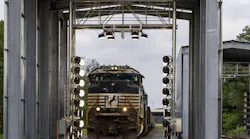
Insights for manufacturers on the benefits of AI vision inspection from Norfolk Southern. Using this technology, the rail company identified more than twenty-five thousand defects...
The PoLARIS Project aims to combine robots and AI with science to help automate experiments. One project leader answers how this is possible and what it means for robotics.
Reliable vision-guided automation combines 3D depth sensing, calibration, confidence rules and adaptive mechanics to deliver predictable production performance.
A successful digital transformation depends on more than a roadmap. Manufacturers need strong strategy and disciplined execution working together from start to finish.
Quanta, Techman Robot, and Siemens connect engineering and production through a unified digital backbone. Digital twins, process simulation, workflow orchestration, and MES reduce...
See why digital twins and humanoid robots are helping manufacturers modernize brownfield factories without costly infrastructure upgrades or major disruptions
“What excites me most is the possibility that robotics and automation can contribute not only to industrial progress but also to broader societal improvements.”